Reportage Free read
The Salt Roads
Before there were borders, there was salt. A journey along the medieval trade routes that still shape where Europe's cities sit, its dialects divide, and its money flows.
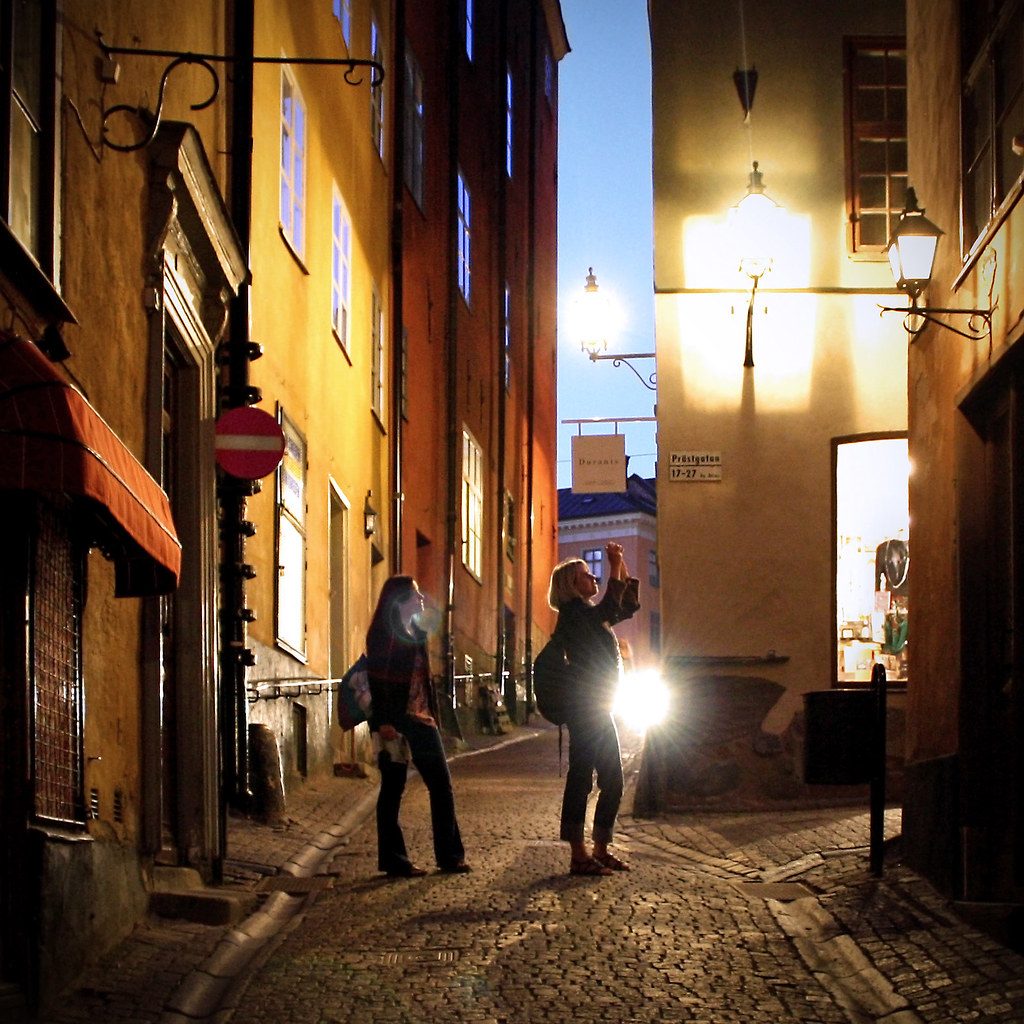
You can still walk the salt road out of Lüneburg if you know what you are looking for, which mostly means looking for nothing — for the absence of obstacles, the gentle insistence of a path that prefers not to climb.
For five centuries this was the most valuable cargo route in northern Europe. Salt from the Lüneburg mines went north to Lübeck and out across the Baltic, and the towns that grew along it grew rich on a mineral we now buy in cardboard tubes for pennies.
Why salt built the world
It is difficult, now, to feel the weight of salt. We have refrigeration; salt is a seasoning. For most of human history it was closer to a technology — the only reliable way to keep meat and fish through a winter, which is to say the difference between surviving the dark months and not.
A substance that decides who survives the winter does not stay cheap. Salt was taxed, fought over, hoarded, and routed with the care we now reserve for oil. The roads it travelled became the arteries of a continent.
Follow the salt and you find the cities. Follow the cities and you find the borders. Follow the borders and you find, more often than not, the salt again.
The map underneath the map
What I went looking for, walking out of Lüneburg with a pack and a bad map, was the way an old route survives its own obsolescence. The salt trade is gone. But the towns are where the salt put them. The dialects still divide along the old toll lines. The motorway, when it came, mostly followed the road the salt had already chosen.
History does not vanish. It subsides, like a drowned village, and we build on top of it without quite knowing what holds the foundations.
Unlocking your reading…