Essays Free read
Reading in the Dark
Why we read differently at night, what the brain does with a story after the lights go out, and the strange history of the bedtime book.
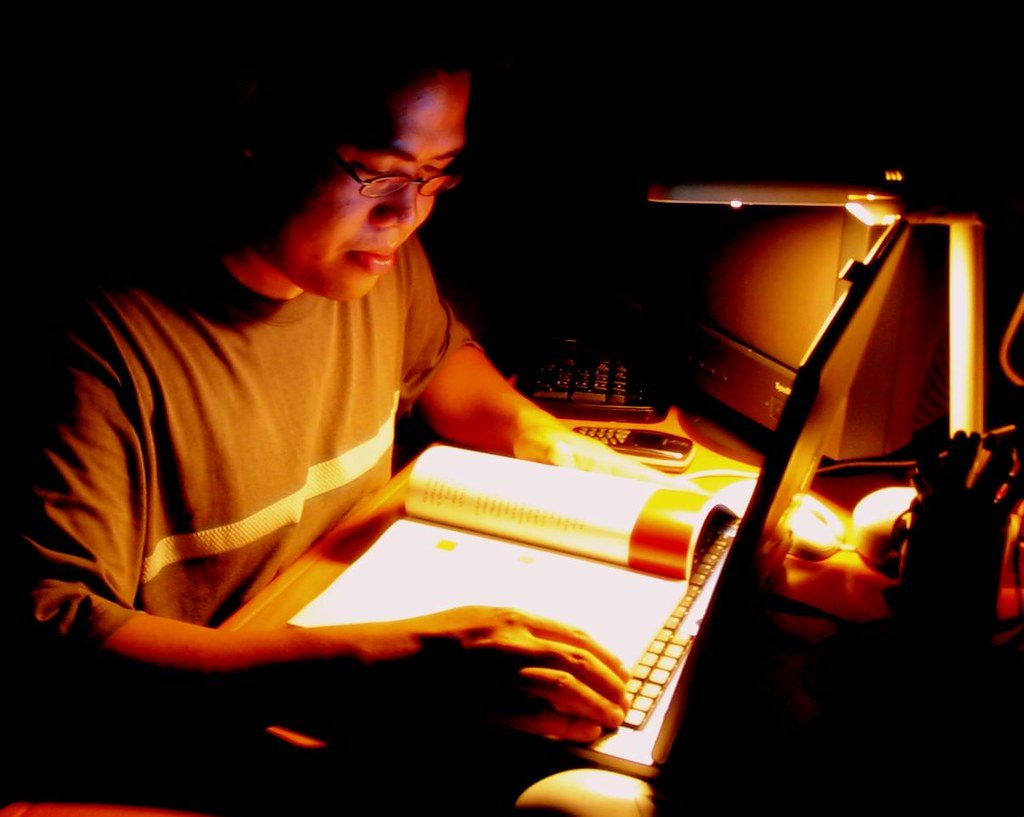
There is a kind of reading that only happens after dark. You know it when you are in it — the world narrowed to a pool of light, the day’s noise finally spent, a sentence landing with a weight it would not have had at noon. We read differently at night, and the difference is not only mood.
The brain at low tide
By late evening the prefrontal cortex — the part that argues, plans, and resists — is tired. It has spent the day saying no. What remains is more porous, more willing to be moved. This is why a sad passage cuts deeper at midnight, and why the ideas you meet last thing at night are the ones you wake up still holding.
Reading at night is reading with your defences down. It is the closest most adults come to being read to as children — that same surrender, the same trust that the voice will carry you somewhere safe.
The bedtime book is not a habit. It is a ritual of handing the day over, and the book is the thing we hand it to.
What the dark is for
We have built a dark reading mode into this journal, and it is not a gimmick. A page that glares at midnight is a page that does not know what time it is. Warm, low, easy on a tired eye — the screen should dim to meet you where you are, not drag you back into the brightness of the working day.
The rest of this piece — on the Victorian panic over reading by candlelight, the neuroscience of the bedtime story, and why you forget the last page you read before sleep — continues below.
Unlocking your reading…